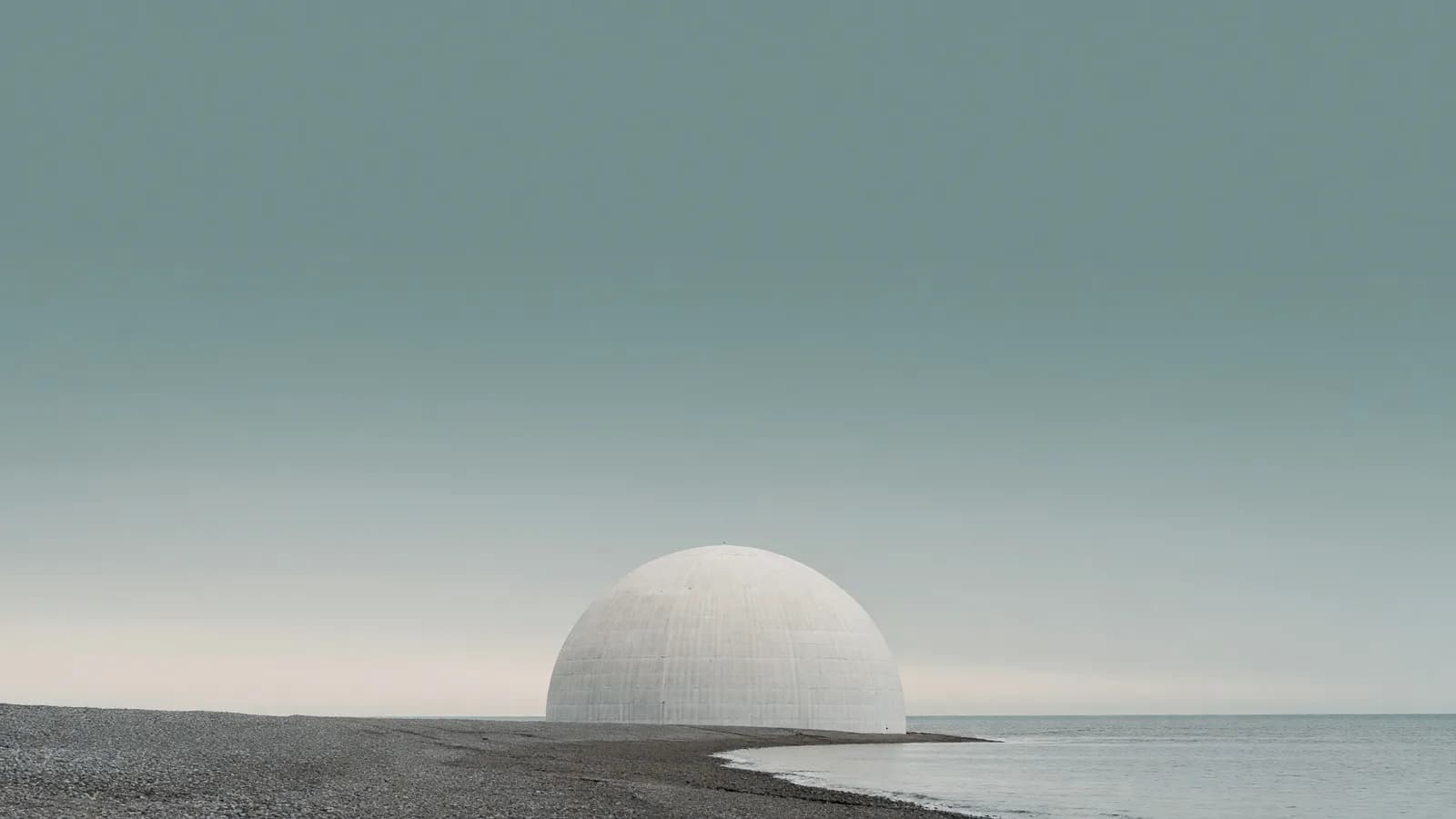
The UK government and Électricité de France (EDF) have agreed terms that keep Sizewell B on track for 2055 instead of the plant's original 2035 retirement date. That matters because the reactor still supplies around 3% of UK electricity, so the extension turns an existing asset into a longer-lived part of the country's clean-power system.
Key facts
- Sizewell B came online in 1995 with an initial 40-year operating life to 2035 now being extended to 2055.
- EDF will fund £800 million of refurbishment work over the next 15 years.
- The heads of terms include a strike price of £70.50 per MWh for the 2035 to 2055 period.
- Sizewell B has produced more than 270 TWh of electricity since 1995 and employs about 900 people.
- The UK gets about 15% of its electricity from about 5.9 GWe of nuclear capacity and wants up to 24 GWe of new nuclear by 2050.
What happened
The headline is simple: the UK government and EDF agreed the terms that would keep Sizewell B in service for another 20 years. The deal is structured as a contract-for-difference, with a £70.50 per MWh strike price for the 2035-2055 period. That makes the extension an energy-price decision as much as an engineering one.
EDF says the plant will receive £800 million of refurbishment work over the next 15 years, carried out during planned outages. The list is unglamorous but essential: a new environmental monitoring system, automated plant monitoring systems, and replacements for pipework, valves and pumps. Those are the kinds of upgrades that let a mature station keep earning trust.
The Office for Nuclear Regulation's position is similarly practical. ONR said plant life-extension decisions do not need formal regulatory permissioning, but the site still needs a valid safety case, plus security and inspection work that can stand up to ongoing scrutiny. So the extension is not a rubber stamp; it is a promise to keep proving the plant can meet safety and security standards as it ages.
Why it matters
Sizewell B is valuable because it is already delivering power. It still supplies around 3% of UK electricity, and keeping that output online for 20 more years avoids a gap that would otherwise have to be filled by gas, imports or faster-than-planned new build. In a system where clean, firm capacity is precious, that is a meaningful bridge.
The economics matter, too. A long-run strike price of £70.50 per MWh tells investors and policymakers that life extension can be financed on purpose rather than improvised as a stopgap. That is important for a country that has to manage older reactor retirements while still trying to bring new stations online.
NNN's core analysis argued that the license path is part of the product, not just the route to it. Sizewell B shows the same logic on the operating side: the product is a reactor that keeps meeting technical and financial checkpoints. The AP1000 renewal story makes the parallel point for design templates.
Background
The UK currently gets about 15% of its electricity from about 5.9 GWe of nuclear capacity, but much of the fleet is headed for retirement over the decade. That is why the government is trying to preserve existing generation while pushing Hinkley Point C, Sizewell C and small modular reactor discussions forward. The target of up to 24 GWe of new nuclear by 2050 only works if enough current low-carbon capacity survives the transition.
Sizewell B is the UK's only pressurised water reactor, and unlike the older AGR fleet it has more scope for life-extension work. Since 1995 it has generated more than 270 TWh of electricity and employs about 900 people. That combination of output, workforce and existing infrastructure makes the plant an unusually durable system asset.
What's next
The agreement is still subject to finalisation, which EDF and the government expect later this year. The next step is turning the heads of terms into a working contract and aligning the refurbishment programme with planned outages.
If that lands, Sizewell B becomes a template for how the UK can preserve firm low-carbon power while waiting for new build to arrive. It is not a replacement for new reactors. It is the bridge that keeps the system steady while they are built.
Questions
- What did EDF and the UK government agree?
- They agreed heads of terms for a contract-for-difference deal that would keep Sizewell B operating until 2055, subject to finalisation later this year.
- How much work is EDF committing?
- EDF says it will fund £800 million of refurbishment works during planned outages over the next 15 years.
- Why does a lifetime extension matter?
- It preserves low-carbon baseload from an operating plant instead of replacing it with new build on a slower timetable.
Sources
- Sizewell B lifetime extension terms agreed to 2055 — World Nuclear News
About Nuclear News Network
Nuclear News Network (NNN) is an independent publication covering the global nuclear energy sector — reactor construction, SMRs, fuel supply, policy, operations and fusion. NNN publishes a daily brief, same-day analysis of major developments, and reference guides used across the industry. Articles are produced by the NNN Newsroom, an editorial automation system with human oversight, under the publication's editorial standards. Ruben Seoane is the founder and main editor of NNN.