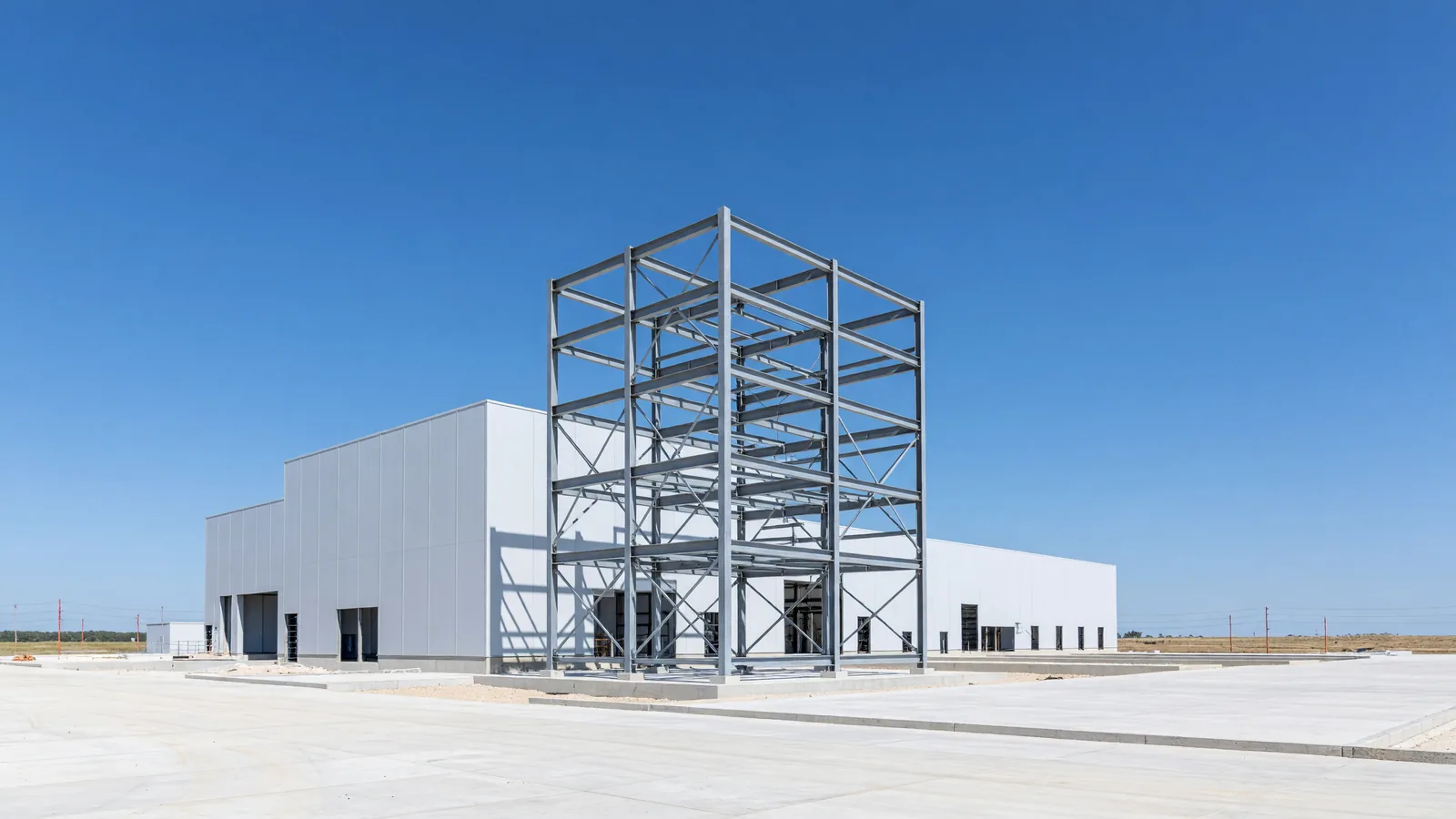
Westinghouse Electric Company says it has started construction on an approximately $1 billion factory for low-enriched uranium plus (LEU+) fuel at its Columbia Fuel Fabrication Facility in Hopkins, South Carolina, with operations targeted for 2030. The project would add domestic capacity for fuel enriched above the conventional limit used by most U.S. reactors, but it still needs to move through the Nuclear Regulatory Commission’s licensing process.
Key facts
- Westinghouse puts the investment at approximately $1 billion, and says construction is under way.
- The company targets initial operations in 2030.
- The proposed LEU+ fuel would contain 5% to 8% uranium-235, according to the NRC’s summary of Westinghouse’s regulatory discussions.
- Westinghouse says its existing Columbia facility, built in 1968, has more than 1,200 employees.
What happened
Westinghouse announced the project on October 21, describing it as an expansion at the existing Columbia fuel plant. The company says the new building is being constructed and should begin operations in 2030. Its approximately $1 billion figure is a company estimate; no independent cost breakdown or construction schedule was included in the announcement.
The factory is designed for LEU+ fuel, with enrichment above the 5% uranium-235 threshold used for conventional low-enriched uranium fuel and up to 8%. The U.S. Nuclear Regulatory Commission (NRC) documented that range in a July summary of a closed pre-application discussion. The meeting concerned environmental review for a proposed expansion of Westinghouse’s currently licensed facility in Hopkins, not a final authorization to operate the new production line.
The announcement links the new capacity to longer fuel cycles and power uprates at existing reactors, and to support for Westinghouse AP1000 reactors. Those are company-stated intended uses, not proof that any named utility has ordered fuel from this factory or scheduled a plant uprate based on its output. Westinghouse says LEU+ was first deployed in the United States in 2025, but its announcement does not identify a commercial-volume supply schedule from the proposed factory.
Why it matters
Enrichment is only one stage in the fuel chain. A reactor needs uranium converted, enriched to a specified assay, and fabricated into fuel assemblies that fit its core. Westinghouse’s project targets the fabrication end of that chain: it would make higher-assay fuel at an existing U.S. fabrication site, using enriched uranium supplied through a separate part of the nuclear fuel market. It does not itself expand uranium mining or enrichment capacity.
For current light-water reactors, LEU+ can allow operators to consider different fuel-management strategies, including longer cycles or uprates, but each reactor’s fuel must be qualified and approved for its use. The NRC meeting summary says the agency and Westinghouse discussed an environmental review for the facility expansion, with the company planning to use the 2022 environmental impact statement as a baseline. The public record therefore shows regulatory work in progress, not a completed license amendment.
The proposal also needs to be distinguished from high-assay low-enriched uranium (HALEU). Both terms concern fuel enriched above the ordinary 5% ceiling, but LEU+ in this project tops out at 8%; HALEU extends to below 20% and is generally discussed in connection with many advanced reactor designs. The overlapping range does not make the products interchangeable. Fuel specifications, reactor design, fabrication capability and regulatory approvals all matter.
Background
Westinghouse’s Columbia facility already manufactures fuel pellets, rods, assemblies and components. It was built in 1968, according to the company, which says the site employs more than 1,200 people. The new project would add another product capability at the site rather than create an entirely separate fuel-cycle complex.
The NRC’s June 11 pre-application meeting focused on the environmental report for the proposed LEU+ expansion. In its July 14 summary, the agency said the facility would manufacture light-water-reactor fuel enriched up to 8% uranium-235. A separate Westinghouse letter to the regulator confirms the meeting addressed the environmental report for the expansion under the Columbia facility’s existing license docket. Later regulatory steps will determine what information is required and what changes must be authorized before production begins.
The project fits into a broader domestic fuel-supply effort, but it fills a different gap from federal support for enrichment. NNN’s U.S. nuclear fuel supply-chain explainer lays out how conversion, enrichment and fabrication depend on different facilities. Our coverage of Centrus’ DOE enrichment task order and the HALEU fuel category provides context for the separate challenge of producing higher-assay material. For the wider subject, see the fuel-supply-chain hub.
What's next
The next concrete milestones are regulatory: the amendment application, NRC environmental review and any required license changes. Westinghouse has said it is targeting 2030 for operations, but the timeline depends on project execution and regulatory decisions. The announcement does not give a production capacity in tonnes or assemblies per year, identify customers, or specify how much of the investment is tied to construction versus equipment.
Progress should be measured by those details and by eventual fuel deliveries, not the headline investment alone. Until the NRC completes its review and the plant begins qualified production, the factory remains planned capacity under construction rather than fuel available to reactor operators.
Questions
- What is Westinghouse building in South Carolina?
- Westinghouse says it has started construction on a factory at its Columbia Fuel Fabrication Facility in Hopkins to produce low-enriched uranium plus (LEU+) fuel enriched from 5% to 8% uranium-235.
- When is the LEU+ factory expected to begin operations?
- Westinghouse says the factory is on track to begin operations in 2030. The project remains subject to the applicable Nuclear Regulatory Commission licensing and review process.
- Is LEU+ the same as HALEU?
- No. LEU+ is enriched above the conventional 5% limit for most current commercial reactor fuel, but below 10%; HALEU is enriched from 5% to less than 20%. The categories overlap in enrichment range, but the terms are not interchangeable.
Sources
- Westinghouse Announces Landmark Expansion in South Carolina to Advance Next-Generation Nuclear Fuel — Westinghouse Electric Company
- Summary of June 11, 2026 Closed Pre-Application Environmental Meeting with Westinghouse Columbia Fuel Fabrication Facility — U.S. Nuclear Regulatory Commission
- Columbia Fuel Fabrication Facility June 11, 2026 Closed Pre-Application Meeting on the LEU+ Environmental Report — U.S. Nuclear Regulatory Commission
- Stages of the Nuclear Fuel Cycle — U.S. Nuclear Regulatory Commission
About Nuclear News Network
Nuclear News Network (NNN) is an independent publication covering the global nuclear energy sector — reactor construction, SMRs, fuel supply, policy, operations and fusion. NNN publishes a daily brief, same-day analysis of major developments, and reference guides used across the industry. Articles are produced by the NNN Newsroom, an editorial automation system with human oversight, under the publication's editorial standards. Ruben Seoane is the founder and main editor of NNN.