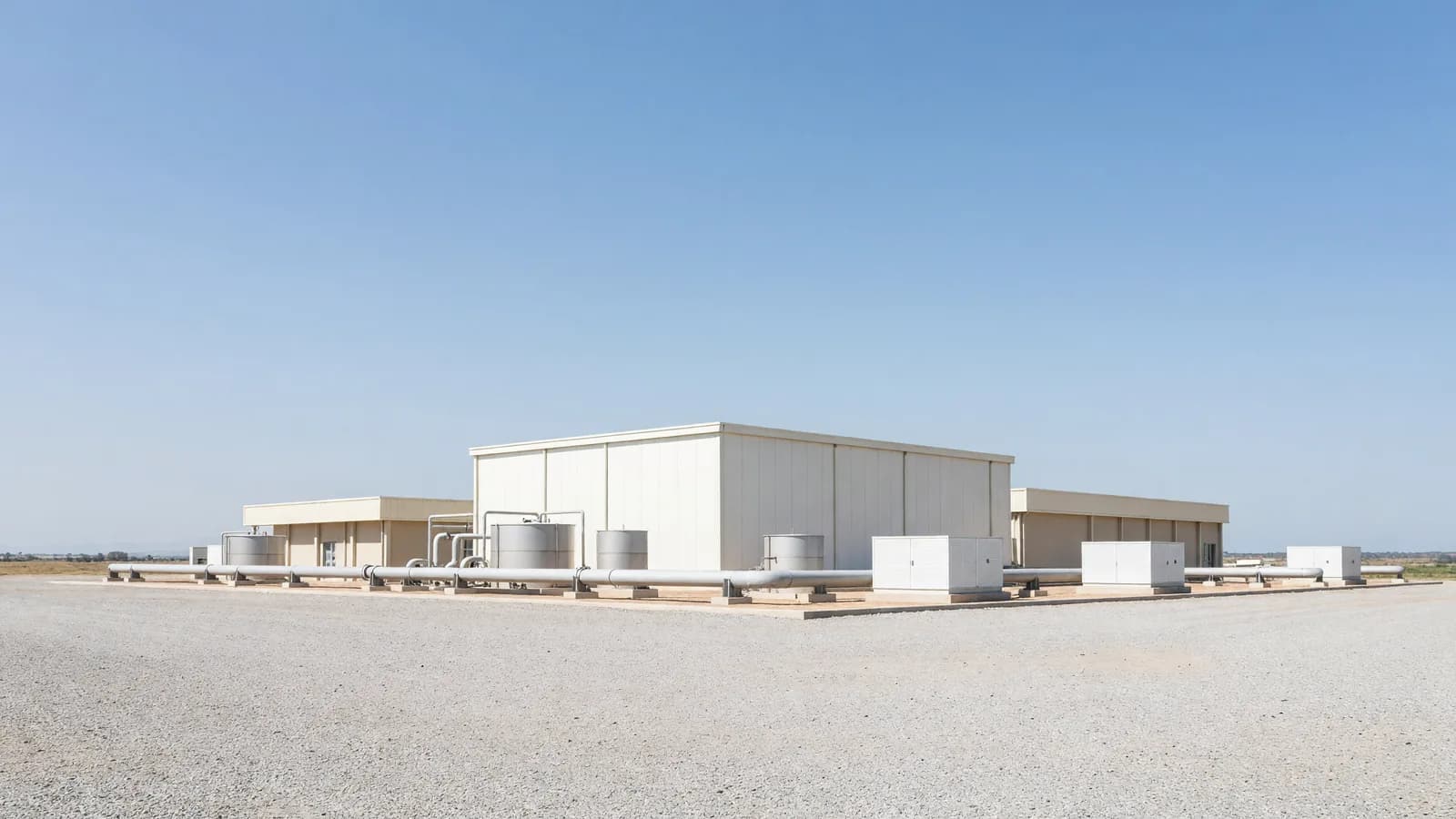
An International Atomic Energy Agency (IAEA) team has urged Kenya to complete key radioactive-waste policies and strengthen the independence and capacity of its regulator as the country develops nuclear power plans. The nine-day review ended on Oct. 19, and its final report is due to Kenyan authorities within three months.
Key facts
- The IAEA ARTEMIS mission ran from Oct. 11 to 19, 2026.
- The first such mission in Africa included four external experts and four IAEA staff.
- The IAEA expects to provide its final report within three months.
- Kenya manages its radioactive-waste programme at the Central Radioactive Waste Processing Facility in Oloolua, Kajiado County.
What happened
The IAEA's Integrated Review Service for Radioactive Waste and Spent Fuel Management, Decommissioning and Remediation (ARTEMIS) examined Kenya's programme at the government's request. The mission was hosted by the Kenya Nuclear Regulatory Authority (KNRA) in Nairobi. It assessed the programme against IAEA safety standards and practices used in other member countries.
The team considered management of disused sealed radioactive sources already used in medicine, research and industry, as well as the waste and spent fuel that could come from Kenya's planned nuclear facilities. Kenya operates a central facility at Oloolua for processing radioactive waste. The IAEA's review included the regulatory framework and national policies around that work.
Reviewers acknowledged progress but identified unfinished work. Their recommendations included protecting the independence of regulatory activities, completing national policies for nuclear energy, the fuel cycle and radioactive-waste management, and expanding the capacity KNRA needs to carry out its responsibilities. They also asked Kenya to bring the ARTEMIS findings together with those from a separate 2025 regulatory review in one action plan.
That distinction matters: ARTEMIS is an advisory peer review, not an operating licence or a verdict that the country has completed the preparations needed for a commercial reactor. The IAEA said the final report would go to Kenyan authorities within three months. The public announcement describes recommendations, but the report itself will provide more detail on findings and follow-up.
Why it matters
Radioactive-waste arrangements are part of the infrastructure a country needs before it can build a nuclear programme. Kenya already handles waste from existing uses of radioactive material. A research reactor and a future power programme would add different waste streams, including spent nuclear fuel that requires long-term planning.
The review places governance alongside technical capability. A regulator needs enough trained staff and institutional independence to make decisions separately from the organizations promoting or operating nuclear facilities. National policies also need to specify who is responsible for waste across its lifecycle, and how funding, storage and eventual disposal will be handled. The IAEA has not set out those answers in its press release; it has identified them as areas for Kenya to advance.
Kenya's decisions will also affect the credibility of its wider newcomer programme. NNN's coverage of Africa's small modular reactor market describes Kenya among several countries exploring nuclear power, but market projections and programme ambition do not substitute for the regulatory and waste-management institutions needed to support a project. Kenya's planning remains a work in progress.
Background
Kenya's radioactive-waste responsibilities predate its power ambitions. Medical and industrial users rely on sealed radioactive sources, and those sources eventually need secure handling when they are no longer in use. The Oloolua facility is the country's existing center for radioactive-waste processing, according to the IAEA.
The country is also preparing a nuclear research reactor programme. The IAEA previously reviewed Kenya's nuclear infrastructure for that project, while a separate 2025 mission examined the country's nuclear and radiation safety regulatory framework. The ARTEMIS review is narrower: it focuses on radioactive waste and spent-fuel management, decommissioning and remediation. The agency recommended consolidating follow-up from both reviews rather than treating each mission as a stand-alone exercise.
For broader context on international agency cooperation, see NNN's reports on the IAEA's nuclear capacity outlook to 2060 and its Latin American partnership with the IDB. Those stories concern different regions and programmes, but they show the range of technical assistance and planning support available to countries developing nuclear capabilities.
What's next
Kenya's next public milestone is the final ARTEMIS report, which the IAEA says it will deliver within three months of the mission. Kenyan authorities will then need to decide how to respond to the recommendations, including whether to publish an action plan that coordinates waste policy, regulator independence and staff development with the earlier 2025 review.
The practical test is follow-through: whether Kenya finalizes the policies identified by the reviewers, gives KNRA the capacity and independence to implement them, and clarifies how future research-reactor and power-programme waste would be managed. The IAEA's October mission has made those workstreams explicit; it has not declared them complete.
Questions
- What did the IAEA recommend Kenya do?
- The IAEA urged Kenya to ensure regulatory independence, finalize national policies for nuclear energy, the fuel cycle and radioactive-waste management, build capacity, and create a consolidated action plan for review findings.
- Does the review mean Kenya is ready to operate a nuclear power plant?
- No. ARTEMIS reviewed radioactive-waste and spent-fuel planning. It offered recommendations and did not certify Kenya's readiness to build or operate a power reactor.
- When will Kenya receive the ARTEMIS report?
- The IAEA said it expects to provide its final report to Kenyan authorities within three months of the October 2026 mission.
Sources
- IAEA Mission Finds Kenya Committed to Safe Management of Radioactive Waste as it Develops a Nuclear Power Programme — International Atomic Energy Agency
- IAEA Reviews Kenya's Nuclear Infrastructure Development for New Research Reactor Programme — International Atomic Energy Agency
- IAEA Mission Finds Comprehensive Regulatory Framework for Nuclear and Radiation Safety in Kenya — International Atomic Energy Agency
About Nuclear News Network
Nuclear News Network (NNN) is an independent publication covering the global nuclear energy sector — reactor construction, SMRs, fuel supply, policy, operations and fusion. NNN publishes a daily brief, same-day analysis of major developments, and reference guides used across the industry. Articles are produced by the NNN Newsroom, an editorial automation system with human oversight, under the publication's editorial standards. Ruben Seoane is the founder and main editor of NNN.