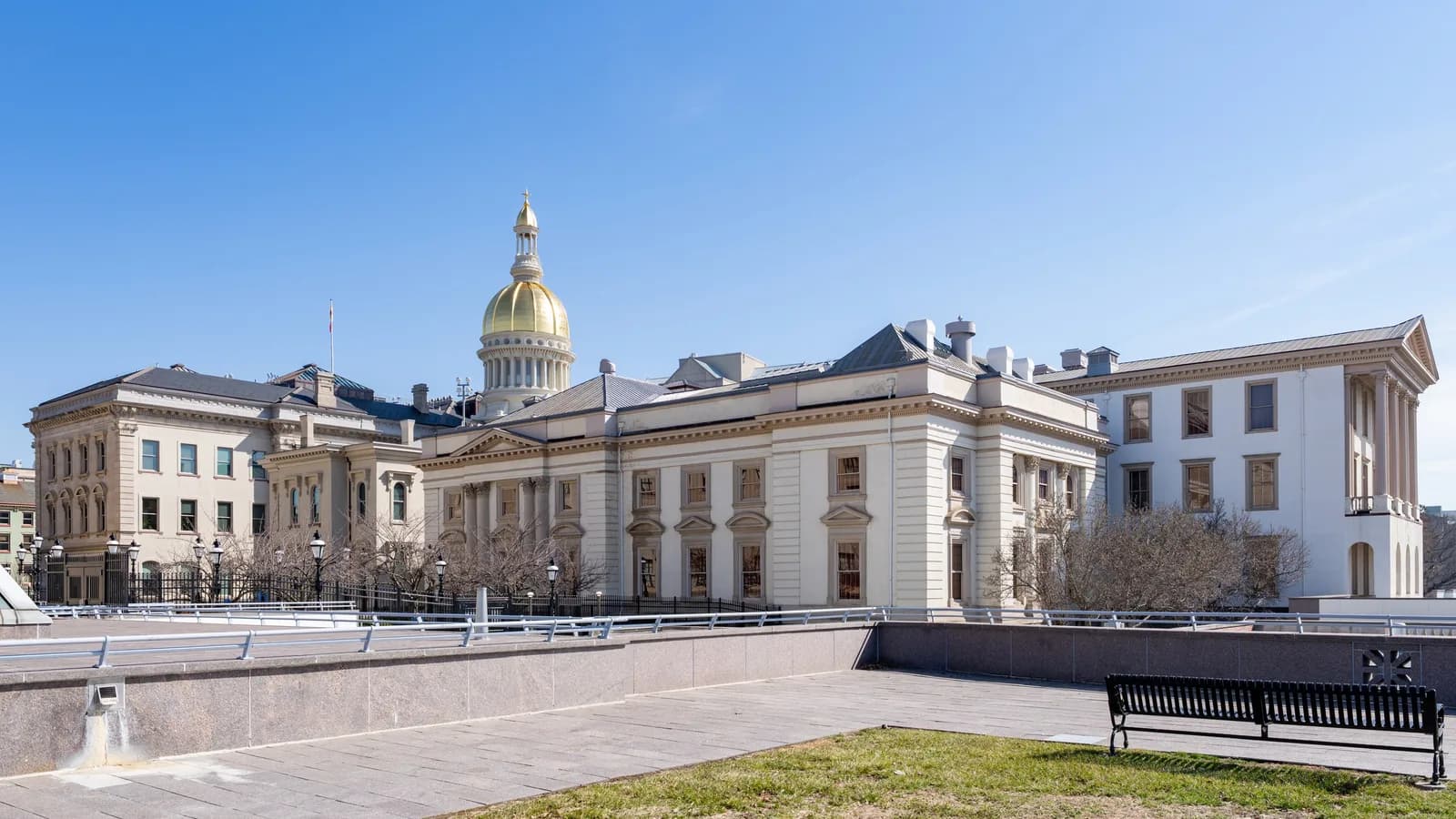
Governor Mikie Sherrill is keeping New Jersey's Power NJ Act on a live procurement clock, not just a campaign promise. The state still wants at least 1,100 MW of new nuclear, and the process now runs through July 8, 2028. That matters because New Jersey is no longer asking whether it wants new nuclear. It is asking who can build it, on what terms, and without dumping the risk on ratepayers.
Key facts
- The Power NJ Act launches a competitive procurement for at least 1,100 MW of new nuclear generation.
- The New Jersey Board of Public Utilities has 180 days to open its request for expressions of interest, and developers then get 60 days to submit proposals.
- The board gets 90 days for provisional qualification, up to 12 months for negotiations, and then a final order deadline of July 8, 2028.
- New Jersey says nuclear provides over 40 percent of the state's total energy and over 80 percent of its clean energy, with plants running at 90-95 percent capacity.
- The administration says its first six months of energy actions will save ratepayers $1 billion annually.
What happened
Sherrill signed the Power NJ Act on July 13, and the release made the pitch in plain English: New Jersey is "putting New Jersey on a path to an affordable and secure energy future." The message is equally plain. The administration wants the state's existing nuclear fleet to be the starting point for something bigger, not the ceiling.
The law sets up a joint process run by the New Jersey Board of Public Utilities and the New Jersey Economic Development Authority to evaluate proposals and decide whether any project is the best investment for ratepayers. That is the part that makes this more than a statement of support. The state is creating a buyer-side process with deadlines, review stages, and a final decision point.
The guardrails are the other half of the story. The bill says ratepayers do not absorb construction costs until a project is built and supplying energy, and they are not responsible for cost overruns. It also requires federal financing, a finding that a project offers a net benefit to ratepayers, and public review before the state can issue a final order. In New Jersey's case, the politics are not the whole issue. The state is trying to build a process that can survive rate hearings, financing scrutiny, and public pushback without collapsing into something vague.
That is a useful shift. Nuclear projects do not usually fail because someone forgot to like the idea of nuclear. They fail when the buyer is unclear, the risk is messy, or the schedule has too many escape hatches. Power NJ tries to write those escape hatches out of the script.
Why it matters
This is the part that matters beyond Trenton. A state that turns new nuclear into a procurement process is doing something the U.S. market has struggled to do for years: making demand visible before the first concrete pour. That is good news for vendors, lenders, and utilities, because it gives them a real buyer-side clock instead of another round of speeches about clean energy.
NNN has already tracked the first version of the story in New Jersey opens 1,100 MW nuclear procurement process and the follow-on deadlines in New Jersey sets timeline for 1,100 MW nuclear procurement. The bigger pattern is the same one we have been watching elsewhere: regulation and procurement are starting to move in step. Our coverage of NRC targets faster nuclear licensing with NEPA streamlining proposal showed the federal side trying to shorten review. New Jersey is trying to do the same thing on the buyer side.
That is also why the SMR explainer still belongs in the conversation. New Jersey has not picked a reactor type, but any serious proposal will need to fit a state procurement lane, a ratepayer test, and a licensing path that can actually clear the finish line. The design details matter, but the process matters first.
Background
New Jersey did not arrive here by accident. Sherrill's office says the state already gets over 40 percent of its total energy and over 80 percent of its clean energy from nuclear plants that run at 90-95 percent capacity. That is a strong base to build from, and it explains why the administration keeps framing nuclear as part of affordability rather than just decarbonization.
It also explains the caution. In April, the state lifted its 50-year moratorium on new nuclear development. The Power NJ Act is what comes after that: the state is not just removing a barrier, it is trying to build a route for an actual purchase. That route includes a net-benefit test, federal financing, and public hearings, which is New Jersey's way of saying yes without pretending risk disappeared.
For readers following the wider NNN coverage, the thread connects cleanly to the broader SMR and new-build map. SMRs, explained covers the design families that could one day show up in a state process like this. BWRX-300 vs AP300 vs Natrium lays out the main contenders utilities keep comparing. And the New Jersey stories sit next to them because they show where the market is heading: toward actual procurement rather than abstract interest.
What's next
The next hard date is January 9, 2027, when the New Jersey Board of Public Utilities must open the request for expressions of interest. After that come the 60-day submission window, the 90-day provisional qualification stage, and then the 12-month negotiation period before the final order deadline of July 8, 2028.
If the process keeps moving, the useful question will not be whether New Jersey likes new nuclear. It will be whether a project can make it through the state's guardrails and still make commercial sense. That is a much better question. It is also the one that decides whether this becomes a headline or a plant.
Questions
- What did New Jersey actually do?
- The state signed the Power NJ Act, which launches a competitive procurement process for at least 1,100 MW of new nuclear generation.
- Does the law guarantee a reactor will be built?
- No. It creates a process, not a plant. Developers still have to submit proposals, clear review, negotiate terms, and win a final board order.
- Why does the 1,100 MW target matter?
- It is large enough to matter to vendors, lenders, and grid planners because it signals a real market, not just a policy wish.
Sources
About Nuclear News Network
Nuclear News Network (NNN) is an independent publication covering the global nuclear energy sector — reactor construction, SMRs, fuel supply, policy, operations and fusion. NNN publishes a daily brief, same-day analysis of major developments, and reference guides used across the industry. Articles are produced by the NNN Newsroom, an editorial automation system with human oversight, under the publication's editorial standards. Ruben Seoane is the founder and main editor of NNN.