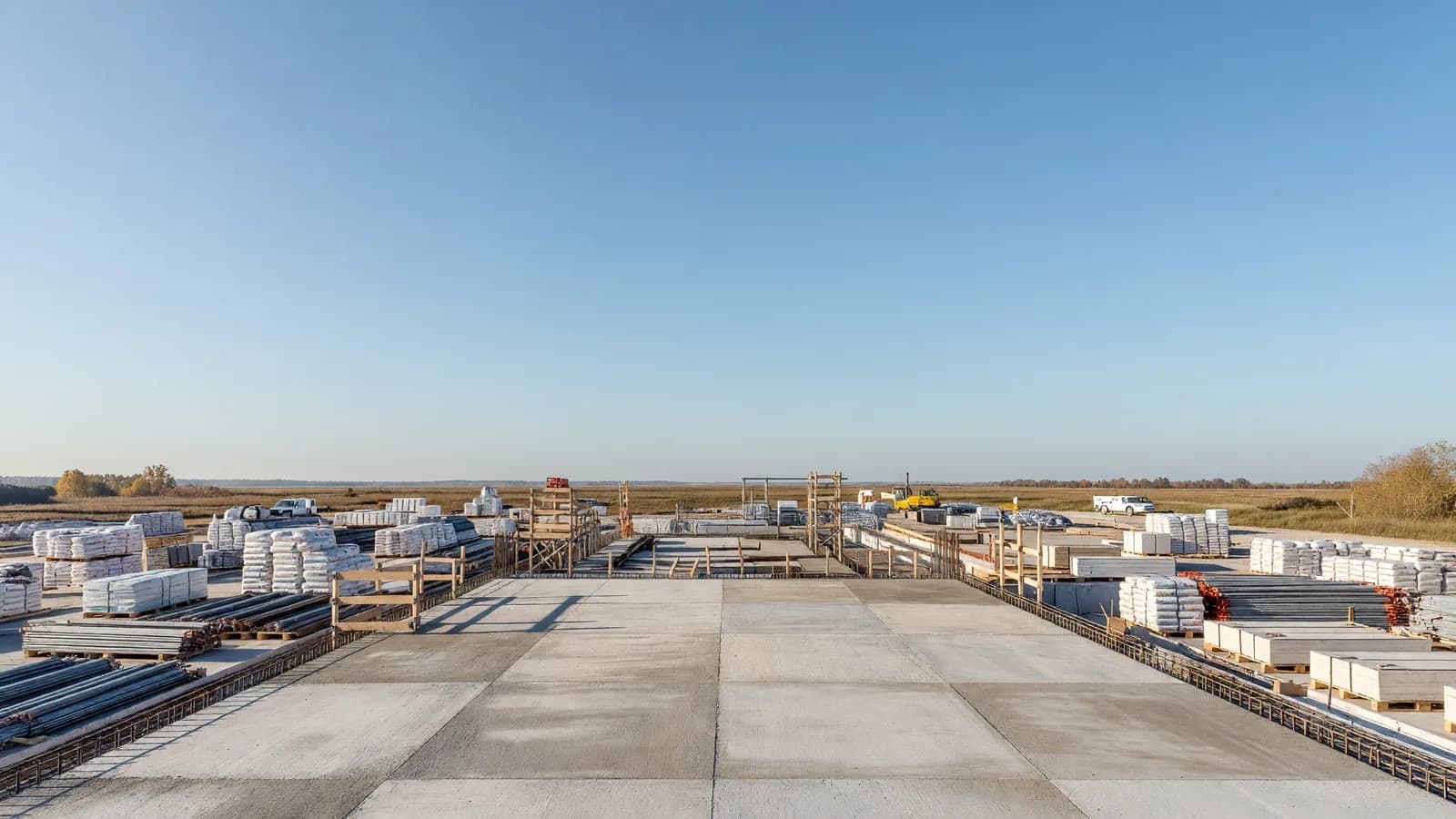
Polskie Elektrownie Jądrowe (PEJ) has commissioned Westinghouse Electric Company to begin procurement work for six long-lead components for Poland’s first AP1000 nuclear power plant at Lubiatowo-Kopalino. The move is intended to protect the project’s schedule as negotiations over the final engineering, procurement and construction contract continue; PEJ is targeting first-unit commissioning in 2036.
Key facts
- The procurement scope covers six nuclear-island components, including the containment vessel and associated structural modules.
- The work starts under the existing Engineering Development Agreement, not a completed construction-phase EPC contract.
- PEJ says finished-component production and delivery will follow through a subsequent order.
- The first unit is targeted for commissioning in 2036.
- PEJ submitted its construction-licence application on March 31, 2026; Poland’s regulator says its statutory decision period is 24 months, subject to procedural exclusions.
What happened
The October 8 announcement marks the start of a procurement process for items that can take years to engineer and manufacture. The scope includes the reactor containment vessel and its related structural modules, among the most complex components of the plant’s nuclear island. PEJ says Westinghouse will lead this portion of the work under the existing agreement with the Westinghouse-Bechtel consortium.
“Begin procurement” does not mean all six components have already been ordered or are in production. The initial work includes technical documentation, quality and supervision plans, supplier selection and contracting, and sourcing materials needed to start manufacturing. PEJ says the production and delivery order for completed components will come later under the construction contract.
That distinction matters because the project is still negotiating its final EPC terms. PEJ says the parties agreed the main commercial terms in September and plan to continue detailed negotiations without letting the absence of long-lead procurement work put pressure on the schedule. The procurement effort therefore advances selected preparation before the full construction contract is concluded; it does not settle the parties’ remaining commercial and risk-allocation terms.
PEJ also says the company has already ordered initial long-lead items for which Bechtel is responsible. The newly announced process covers Westinghouse’s nuclear-island scope. Together, the two workstreams are intended to address components whose supplier capacity and production lead times could become schedule constraints later.
Why it matters
Nuclear projects need to reserve specialist manufacturing capacity well before equipment reaches a site. Starting technical and supplier work early can reduce the risk that the plant design is ready while a qualified manufacturer’s production slot is not. It also gives PEJ earlier visibility into component costs, which the company says make up a substantial share of project expenditure.
The step gives the Polish project a tangible supply-chain milestone, but not a construction milestone. The site still needs the required regulatory and building permissions, and the final EPC contract remains under negotiation. PEJ’s stated target of 2036 depends on those decisions as well as design completion, supplier qualification, manufacturing, construction and commissioning.
The procurement has an industrial-policy dimension too. PEJ and Westinghouse expect Polish companies to compete for work if they meet the applicable nuclear quality requirements, including the ASME NQA-1 standard cited in the announcement. That is a potential route into nuclear-grade supply chains, but the announcement does not name awarded Polish suppliers or quantify local content. For domestic firms, the immediate task is qualification: demonstrating that their quality systems, documentation and production controls meet the requirements before they can bid. The opportunity is real, but contracts and local participation remain unconfirmed.
Background
The Lubiatowo-Kopalino project in Pomerania is planned around Westinghouse AP1000 technology. The Polish government selected the design in 2022; subsequent work has focused on site-specific engineering and preparation while PEJ negotiates with the Westinghouse-Bechtel consortium. NNN has covered Poland’s parallel small-reactor plans in Orlen Synthos’ CfD request for 14 BWRX-300 units, a separate project that should not be confused with this state-backed large-reactor plant.
Westinghouse’s role also sits within a wider AP1000 project pipeline and corporate strategy, covered in NNN’s report on Westinghouse’s IPO filing and the company’s AP1000 pipeline. The Polish unit is not yet an operating reference plant or a confirmed construction start; it remains in development, licensing and contracting.
The licence review is a separate gate from procurement. PAA says it will assess technical solutions, safety analyses, construction organization and operating limits before deciding whether the legal requirements for work involving ionizing radiation have been met. It may seek support from authorized laboratories and expert organizations. Starting supplier preparation does not narrow that review or predetermine its outcome; it allows some engineering and supply-chain work to proceed alongside the regulator’s process.
What’s next
PEJ and the Westinghouse-Bechtel consortium still need to complete EPC contract negotiations. The procurement process should then progress through documentation, supplier qualification, contracting and, later, orders for manufacturing and delivery. On the licensing side, the next public marker is PAA’s formal assessment and publication of the application and safety summary once procedural requirements are met.
The near-term test is whether this early procurement work converts into placed production orders while the contract and licence processes advance. PEJ’s 2036 target remains the project’s stated goal; the October announcement does not revise it or guarantee it.
Questions
- What has Poland started procuring for its first nuclear plant?
- PEJ commissioned Westinghouse to begin the procurement process for six long-lead nuclear-island components, including the reactor containment vessel and associated structural modules.
- Does the procurement mean construction has started?
- No. The work is proceeding under an Engineering Development Agreement. PEJ says production and delivery of finished components will follow under a later order tied to the plant construction contract.
- When does Poland expect its first AP1000 unit to enter service?
- PEJ and Westinghouse cite 2036 as the target for commissioning the first unit. The date remains a project target, not a guaranteed operating date.
Sources
- PEJ and Westinghouse Begin Long-Lead Item Procurement Process for Poland’s First Nuclear Power Plant — Westinghouse Electric Company
- The President of the National Atomic Energy Agency has received an application for the license to construct nuclear power plant at the Lubiatowo-Kopalino location — National Atomic Energy Agency of Poland
- Poland begins ordering long-lead components for first AP1000 — World Nuclear News
About Nuclear News Network
Nuclear News Network (NNN) is an independent publication covering the global nuclear energy sector — reactor construction, SMRs, fuel supply, policy, operations and fusion. NNN publishes a daily brief, same-day analysis of major developments, and reference guides used across the industry. Articles are produced by the NNN Newsroom, an editorial automation system with human oversight, under the publication's editorial standards. Ruben Seoane is the founder and main editor of NNN.